


Photo Stickers at Home: What a Photo Sticker Printer Does (and What to Look For)
A photo printed on sticker paper isn't a sticker yet. Here's how to make photo stickers at home, and what a photo sticker printer does that a photo printer can't.
Explore blogs about photo printers topics for the latest tech, creative ideas, and printing tips. Elevate your printing experience and capture moments.
A photo printed on sticker paper isn't a sticker yet. Here's how to make photo stickers at home, and what a photo sticker printer does that a photo printer can't.

Somewhere between the first "can I buy that?" at a market table and the fiftieth online order, sticker making stops being a hobby with byproducts and turns into a business with costs. The machine question changes at that point too. A hobbyist can shrug off a wasted sheet or a fussy workflow. A business feels both, week after week, in margin and in evenings. So this guide works through the choice the way a seller has to: what one sticker costs to make, what the consumables add up to over a season, how much desk the setup claims, and where each route stops making sense. What Changes When You Start Selling Three things, mainly. Volume goes up, so the cost of a single sticker matters in a way it never did when you were decorating your own planner. Consistency starts to matter, because a customer who reorders expects the second batch to match the first. And waste turns into a line item: a crooked cut or a smudged sheet used to be a shrug, and now it is materials you paid for producing nothing you can sell. None of that requires industrial equipment. Most sticker businesses at the market-table and online-shop stage run on the same desktop machines hobbyists use. It just means the buying decision leans harder on the numbers, so that is where to start. Most sticker businesses start exactly here: a planner, a pile of designs, and the first sheets other people ask to buy. Price One Sticker Before You Price Any Machine On the Liene PixCut S1, the math is short. Refills run $42.99 for 72 sheets with the ink cartridges in the pack, which lands near $0.60 a sheet, laminated and cut. How many stickers a sheet becomes depends on how densely you pack it, and packing sheets densely is a skill sellers pick up fast. The two-machine route prices out as a stack instead: sticker paper at $23.99 to $29.99 for 50 sheets at Cricut's own prices, inkjet ink on top, laminate sheets where waterproofing matters, and $9.99 a month for Cricut Access if you want its sticker tool doing layout. None of those numbers is scary on its own. The bookkeeping is the difference: one route is a single refill SKU you reorder when the box runs low, the other is four or five supplies that run out on their own schedules. At tax time, or just on a Sunday night when you are counting what a fair paid you after supplies, the single line item is worth something. There is a third route, and a business post should say so: ordering from a print shop. When we ran the numbers on it, home printing stayed cheaper up to roughly 2,200 sheets in a single order. Below that line, which is where nearly every market-table and small-shop seller lives, printing your own wins. Past it, you have outgrown this article and should be negotiating with a print shop. One refill box against the four-supply stack: the reorder list is the difference your bookkeeping feels. Count the Machines on the Desk A sticker machine for a small business earns its desk space or it doesn't, and most sellers are working from a corner of a room rather than a studio. The PixCut S1 is one box about the size of a shoebox: it prints at 300 DPI in dye-sublimation, seals the sheet under a four-layer laminate, and kiss cuts around each design in the same pass. Design happens in the free app, which carries more than 50,000 templates plus AI background removal, and the machine holds a Bluetooth connection with up to three devices. The alternative is a chain: an inkjet to print, a cutting machine to cut, laminate applied by hand or by a laminator in between. It produces sellable stickers, and plenty of shops run this way. What changes at business volume is the cost of the seams. Every handoff between machines is a place where alignment can drift, and a drifted cut at hobby scale is an annoyance, while at business scale it is scrap you paid for. The one-machine route removes the handoffs rather than managing them, which is most of its pitch to a seller. One shoebox-sized machine, one workflow: sheets, strips and a phone case's worth of stickers between orders. What Your Customers End Up Holding Sticker buyers have held a lot of stickers, and they can tell. Two things read as quality in the hand. The first is the laminate: PixCut sheets come out under a four-layer coat that stands up to water, scratches and fading, so the laptop sticker survives the commute and fingerprints wipe clean instead of wearing in. The second is the printing itself. Dye-sublimation lays color down in continuous tone rather than sprayed dots, which is why photo designs keep looking like photos, and why smooth gradients stay smooth on the finished product. Kiss-cut sheets also hand you a small merchandising bonus, since the backing stays whole and a mixed sheet reads like the ones in a stationery shop, with your designs on it. Make: magazine's review made the seller case directly, calling the machine a strong fit for sellers customizing stickers for customers at in-person events. Printing a buyer's name onto a design while they browse the rest of the table is the kind of trick that gets remembered. Where sold stickers end up living: a laptop that leaves the house every day. Printing to Order Instead of Holding Stock The quiet advantage of making stickers in-house is what it does to inventory. A shop that orders 500 of a design is betting the design sells. A shop that prints its own can run 20, watch what happens, and let the market vote before committing a full box of anything. Slow designs die cheaply. Strong ones get printed the night before the next fair, in whatever quantity the last fair suggested. The same logic covers custom work. Personalized orders, name variants, one-off requests: when a full printed sheet costs about $0.60, there is room to say yes to small custom jobs that a print-shop minimum would turn into a loss. And on the durability side, the machine is rated for the long haul, tested through 5,000+ continuous prints, which at small-business volume is a lot of market days. Print twenty, see what sells: small runs make every design a cheap experiment. Where This Setup Stops An honest edge map, because a machine bought for the wrong business is dead weight. If your product line runs past stickers into vinyl decals, iron-on shirts or cardstock, a cutting machine belongs in the plan, since the PixCut only makes its own sticker and photo sheets. If your orders are heading toward true bulk, hundreds of identical sheets at a time, a print shop's pricing eventually beats any desktop machine, ours included. And if you are still deciding what kind of maker business you are, the full buying guide compares every route without the business framing. For the selling side itself, pricing, listings and where the first customers come from, our guide to selling stickers online picks up where the hardware question ends. Organizer and label sheets are a product line of their own, and a steady one at market tables. FAQ What is the best sticker printer for a small business? For a business that is mostly stickers, an all-in-one sticker printer and cutter, and the PixCut S1 specifically: about $0.60 a sheet in supplies from a single refill SKU, laminated output customers can tell apart from paper stickers, and one machine's worth of desk space. Businesses whose product line runs past stickers are better served adding a cutting machine. How much does it cost to make stickers to sell? About $0.60 per printed sheet on the PixCut S1, from refill packs at $42.99 for 72 sheets with ink included. That covers printing, lamination and cutting, and your per-sticker cost is that sheet divided by however many designs you fit on it. Is the print quality good enough to charge money for? Laminated dye-sub output is the same category of printing photo labs use, and the kiss-cut sheets handle like store-bought ones. Quality complaints in this hobby usually trace to unlaminated inkjet prints meeting water, which is the failure the built-in laminate exists to prevent. Do I need a cutting machine to start a sticker business? Not for stickers themselves, since an all-in-one sticker printer and cutter does its own cutting. A cutting machine earns its place when the product line grows into vinyl, iron-on or cardstock, and some shops eventually run both machines side by side for different products. How many stickers does one refill box produce? A box is 72 sheets, and the count depends on how you lay them out. Small designs pack twenty or more to a 4x7" sheet, big die-cut-style designs run four to six, so a single box covers anywhere from a few hundred stickers to well past a thousand. Start With One Market Day Skip the hypothetical business plan and price a real day instead: one fair table, or one week of shop orders. Count the sheets it would take, multiply by $0.60, compare that against what you charge, and the right sticker machine for your small business mostly picks itself. The PixCut S1 starts at $279.99 with 18 sticker sheets and 18 photo sheets in the box, which is enough paper to find out what your customers reach for before the first refill order. Shop PixCut S1

Three machines crafters cross-shop, three different jobs. How the Maker 5, the SELPHY CP1500 and the PixCut S1 compare for making stickers.

Halloween is the stickiest holiday on the calendar, and that is meant literally. Candy bags need sealing, costume pieces need names on them, pumpkins need faces, and the planner wants a countdown. One 4x7" sheet covers a surprising amount of that, at about $0.20 a sticker when you print your own. Here are 40 Halloween sticker ideas, sorted by where they end up, from the front door to the school notebook. The house rule matters double in October: stick to art and photos you made yourself. Halloween is crowded with characters that belong to movie studios, and not one idea below needs them. Ghosts, bats, pumpkins and black cats have been public property for centuries, and a wobbly hand-drawn ghost beats a licensed one on a kid's lunchbox every time. Sketching October sticker designs, on paper and on the tablet. Costume and Prop Labels Costumes come with a lot of loose parts, and the parts start wandering off the moment the season begins. 1. Name labels for costume pieces. Put a small name sticker inside the hat, the cape and anything else that detaches before the school party. Costume pieces turn up in lost-and-found bins, and a name inside is what gets them home. 2. Left shoe, right shoe dots. Useful for little kids whose boots look identical from above. A pumpkin in the left one and a bat in the right settles the question without any reading involved. 3. Prop bin labels. One printed label per storage tub for wigs, makeup and capes. Add the year in small type and next October you will know which wig has already done two Halloweens. 4. A "this is part of a costume" tag. For the week when the living room fills with strange objects nobody is allowed to throw away, and a tag on each one saves the explaining. 5. Costume care notes. A small sticker on the hanger: hand wash, do not tumble, glue is still drying. Candy Bag Seals The candy side of the holiday runs on small round stickers. One sheet prints a party's worth, and a circle seals a paper fold no matter how crooked the fold is. 6. Treat bag seals. A pumpkin or ghost to close each paper treat bag. It holds the fold shut on the walk home, and it looks better than tape. 7. "Boo!" delivery stickers. For the neighbourhood boo-basket tradition, a seal for the note that says you have been booed. The custom says anonymous, so homemade fits the assignment better than store-bought. 8. Allergy-aware markers. A clear nut-free or no-gelatin dot for treat bags headed to school parties. Parents of allergic kids read these first, so keep the text large and the design plain. 9. Guess-the-count jar seal. One large sticker sealing the candy jar for the guessing game, with a blank line for the winner's name. 10. Leftover candy dater. A small date sticker for the post-Halloween stash, mostly so future-you knows which year's candy corn this is. Halloween candy already comes in circles, and seal stickers print the same way. Party and Table Decor A Halloween party looks expensive or homemade depending on the small stuff, and the small stuff is mostly labels. Print the table set the night before and decorating takes one pass around the room. 11. Cup markers. Small spooky designs so guests can tell their cups apart, for less than themed party cups cost. 12. Napkin wraps. A printed strip wrapped around each rolled napkin dresses up a plain stack. Fifteen minutes of wrapping covers a full table. 13. Food tent labels. Witch fingers, monster eyes, swamp punch. Spooky menu names carry a lot of the atmosphere, and a printed label reads better in dim party lighting than marker on a sticky note. 14. Photo-corner stickers. Bats and webs for the corners of a DIY photo wall, which is what makes a bedsheet backdrop look intentional. 15. Game prize seals. A gold-ish pumpkin on the winner's bag from each party game. Kids take prize stickers seriously, so print more than you think you need. One evening of designing turns into a counter's worth of October stickers. Pumpkins and the Front Door Outdoor stickers have to deal with actual weather. Sheets from the PixCut S1 come out under a four-layer laminate, which handles porch drizzle and damp pumpkin skin, and candy fingerprints wipe off the surface. 16. No-carve pumpkin faces. Printed eyes, mouths and eyebrows that get arranged and moved around until the pumpkin looks right. Small kids build the face themselves, and no carving tools come out of the drawer. 17. Door numbers, haunted edition. Your house number in a spooky style near the doorbell, so trick-or-treaters and their parents find the right porch. 18. A "take one please" bowl sign. A big sticker for the unattended candy bowl. It enforces nothing, but the bowl looks more official. 19. Window silhouettes. Bats and cats along a window edge, printed in plain black. With a lamp behind them at dusk, they read from the street surprisingly well. 20. Countdown door dots. Ten numbered dots by the door, one peeled off each morning starting on the 22nd. Like an advent calendar, only shorter and with more bats. Decorated pumpkins without any carving: lettering and doodles do the work. Notebooks, Planners and the October Spread The planner crowd owns October. Orange and black is the one colour scheme that makes a weekly spread look decorated instead of busy. 21. A countdown strip for the weekly spread. Thirty-one small marks across the top of the October spread, filled in or peeled off one day at a time. 22. Party planning icons. A cauldron for the shopping list, a mask for costume errands. Once the icons exist in the app they come back every October without redrawing. 23. Spooky movie night log. One ticket-shaped sticker for each spooky movie watched this season, with the title written in by hand. 24. Trick-or-treat route markers. For families who take the route seriously, small dots on a hand-drawn map of the streets with the good candy. 25. A November 1st recovery sticker. One sticker for the day after, marking out couch time and leftover candy. Water Bottles, Laptops and Everything Else Seasonal stickers work best on the things you carry every day, because those get seen by everyone and swapped out without guilt. Smooth surfaces hold them best, so glass, steel and painted plastic all work. 26. Seasonal bottle swap. A ghost or pumpkin on the school water bottle for October, peeled clean in November. Our water bottle sticker ideas covers the year-round version of this habit. 27. Laptop pumpkin, October only. A single small pumpkin on the corner of the laptop, gone again in early November. Easier to commit to than a permanent one on a work machine. 28. Teacher treat tags. A small printed tag for whatever goes to the teacher this season, with space left for a handwritten line. 29. Pet photo, Halloween frame. Your own pet's photo with bat wings or a witch hat added in the app. The sticker version of a pet costume stays on all night. 30. Candy-grade thank you stickers. For the houses handing out full-size bars, a thank-you sticker on a note through the mail slot. Those neighbours earned it. Glass takes a laminated sticker well, which makes the party glassware fair game. Spooky Mail and Treat Deliveries Not every treat gets handed over in person. The mailable side of the holiday has its own sticker needs, and most of them are small, round and printed twenty at a time. 31. Envelope seals for Halloween cards. A bat or web on the back flap of each card you send. Most mail is bills, so a sealed orange envelope tends to get opened first. 32. Treat jar gift tags. A printed to-and-from tag for jars of candy going to neighbours and coworkers. Write the names in by hand and the jar needs no card. 33. Wax-seal-look stickers. A printed circle designed to look like a pressed wax seal, in deep orange or black. Ceremony without the melted wax. 34. College care-package stickers. For the box of candy heading to a student too far away to trick-or-treat. A few stickers inside the flap make a cardboard box read as a package from home. 35. Party invitation seals. Small stickers closing paper invitations for whatever gathering October brings. Paper invitations are rare enough now that people hold onto them. The Classroom Party Teachers and room parents run a parallel Halloween, usually on a tight budget and a tighter schedule. Printed stickers cover a lot of that ground cheaply, and a design can be run again the week it runs out. 36. October reward stickers. A teacher's own reward designs for the month, with ghosts standing in for gold stars. A sheet of fifty costs about as much as one coffee. 37. Class party cup and pencil tags. Name stickers for cups and pencils at the class party, printed from the roster ahead of time. Twenty-five names fit on one sheet with room to spare. 38. Goodie-bag assembly stickers. Matching seals for the class goodie bags, printed in one batch and split between room parents. 39. Pumpkin contest badges. Small award stickers for a classroom pumpkin-decorating contest, with enough categories that most entries win something. Spookiest, silliest, most glitter. 40. Reading month bookmarks. October bookmark stickers for the classroom library corner, on cardstock cut from whatever is in the supply cupboard. How to Print Them at Home The workflow is short. Design in the free Liene app, which carries more than 50,000 templates alongside your own photos and art, then tap print. The PixCut S1 prints at 300 DPI, laminates and kiss cuts the sheet in one pass, with the print itself running 59 seconds. Kiss cut means each sticker peels off while the backing stays whole, so a mixed sheet survives being carried to a party and handed around. Original designs can start anywhere, and a tablet sketch imports straight into the app. Two practical notes for October. Mixing sizes on one sheet works fine, so a big bowl sign can share space with twenty candy seals, and the cost stays around $0.20 per finished sticker either way. Over-print the small round designs, since seals and dots disappear fastest once a party starts. The lamination is also what lets these live outdoors on damp pumpkins, with no separate sealing step to remember. If this list puts you in a seasonal mood, the same approach runs all year: our back to school sticker ideas covers September, and planner stickers for the school year keeps the notebook side going through June. FAQ What are good Halloween stickers to make at home? The ones that get used up fastest are a good start, meaning candy bag seals, cup markers and name labels for costumes. They print by the dozen on a single sheet. Are printed Halloween stickers waterproof? Laminated ones handle October fine. PixCut S1 sheets come out under a four-layer laminate, which covers porch weather, damp pumpkin skin and sticky fingers. For anything outdoors all month, press firmly onto a clean dry surface. Can I use Halloween movie characters on my stickers? For stickers you sell or share widely, no, those characters belong to studios. For the home crowd, original ghosts, witches, bats and pumpkins are safer, and they come out looking like yours. Do Halloween stickers work on pumpkins? Real pumpkin skin is smooth enough for a good press, and laminated stickers hold on well for the season. Wipe the surface dry first, and expect the pumpkin to give out before the sticker does. How much does a sheet of Halloween stickers cost to print? About $0.20 per finished sticker on the PixCut S1, from refill packs at $42.99 for 72 sheets with the cartridges included. A single sheet covers a party's worth of candy seals with room left over. Print the October Sheet Pick a handful of ideas that match your actual October plans and print one mixed sheet this week. The season is short, a sheet costs a few dollars, and whichever stickers get peeled first will tell you what to print more of next year. The PixCut S1 handles the printing, laminating and cutting, and October takes care of the rest of the calendar. Shop PixCut S1
All blog articles could not be loaded. Only this blog is shown.

In an era dominated by digital technology, where our smartphones archive countless memories through digital images, the inclination to convert these virtual moments into tangible keepsakes has propelled the ascent of phone photo printers. These compact and inventive devices act as a conduit, bridging the intangible domain of digital images with the tangible realm of physical prints. The advent of a phone printer for iphone signifies a cultural transformation, recognizing the enduring emotional impact that arises from holding a printed photograph. Basics of Phone Photo Printers By utilizing cutting-edge technology, phone photo printers serve as a link connecting the digital and physical dimensions. Employing either thermal or inkjet printing methods, these compact devices transform digital images into tangible forms, crafting enduring memories that extend beyond the limitations of screens. Benefits of Using Phone Photo Printers Phone photo printers provide numerous benefits that cater to the growing desire to transform digital memories into tangible keepsakes. ● Convenience A standout advantage is their unmatched convenience, allowing users to effortlessly print their favourite photos directly from their smartphones. This eliminates the need for cumbersome connections or intricate setups. ● Portability Another noteworthy benefit is the portability of phone photo printers. These compact devices are designed to be lightweight and easily transportable, enabling users to carry them anywhere and print photos on the go. ● Instant Printing Setting phone photo printers apart is the instant printing feature, providing users with the immediate gratification of holding a physical print moments after capturing a memory. ● Enhanced Memory Preservation Phone photo printers significantly contribute to enhanced memory preservation. Unlike digital photos that might get lost in the vast sea of smartphone galleries, printed photos serve as tangible reminders of cherished moments. Choosing the Right Photo Printer for Phone Here are some aspects to consider while selecting a right photo printer for phone. Keeping them in mind, you can ensure that the selected printer is perfect for you. ● Print Quality When considering a phone photo printer, it is imperative to scrutinize the resolution and colour accuracy, guaranteeing the production of high-quality prints that faithfully represent your cherished digital memories. You should consider whether the photo paper used is waterproof, dustproof and oxidation-resistant, and whether it can be stored for a long time. ● Compatibility Considerations Additionally, verifying compatibility with your smartphone operating system is crucial to ensuring seamless integration with your device. ● Print Speed Another vital aspect to assess is the print speed, particularly if you prioritize swift and efficient printing for your convenience. ● Connectivity Options To enhance flexibility, it is advisable to explore printers equipped with diverse connectivity options, such as Bluetooth and Wi-Fi. This ensures compatibility with a wide array of devices, offering you greater versatility in printing your photos. Common Sizes Printed by Photo Printers Photo printers come in various models capable of producing prints in common and diverse sizes, catering to different preferences and needs of users. These printers typically offer standard sizes such as 4x6 inches, 5x7 inches, and 8x10 inches. Some advanced models, like the Liene Amber 4x6 Instant Photo Printer and Liene Pearl K100 2x3" Portable Photo Printer, offer versatility in print sizes, accommodating more creative and personalized projects. With them, you can print photos in a more special size which makes your photo cuter and more unique. How to Print Photos from iPhone and Android Phone? Here are the steps to follow to print photos from iPhone and Android devices: 1. Printing Photos from iPhone Printing photos from an iPhone can be done through two different processes: ● Using Apple AirPrint Step1: Ensure your iPhone and AirPrint-enabled printer are on the same Wi-Fi network. Step2: Open the photo you want to print on your iPhone. Step3: Tap the Share icon (usually represented by a square with an arrow pointing up). Step4: Select the Print option. Choose the AirPrint-enabled printer and adjust print settings if needed. Step5: Tap the Print button after all are set, and you will get a beautiful photo! ● Utilizing Liene's Amber 4x6 Instant Photo Printer Step1: Install the Liene Photo App from the App Store. Step2: Open the app and select the photo you want to print. Step3: Connect your iPhone to the Liene Amber 4x6 Instant Photo Printer with Liene’s built-in Wi-Fi Hotspot. Step4: Adjust print settings such as size and quantity. And now you are ready to initiate the printing process through the app. 2. Printing Photos from Android Phone Three methods can be adopted to print photos from Android phones: ● Using Wireless Apps Step1: Download a wireless printing app from the Google Play Store. Step2: Open the app and select the photo you want to print. Step3: Choose the printer and adjust the settings. Step4: Tap Print to initiate the wireless printing process. ● Mopria Print and Other Apps Step1: Ensure your Android phone is compatible with Mopria Print Service or similar apps. Step2: Download and install the Mopria Print Service app. Step3: Open the photo you want to print, tap the Share icon, and select Mopria Print. Step4: Choose your printer and adjust print settings. And now you can start the printing process. ● Using the Liene Photo App Step1: Install the Liene Photo App from the Google Play Store. Step2: Open the app and select the photo you want to print. Step3: Connect your Android phone to the Liene Amber 4x6 Instant Photo Printer via built-in Wi-Fi Hotspot. Step4: Adjust print settings as needed and initiate the printing process through the app. The Future of Phone Photo Printing As technology progresses, the future of phone photo printing unfolds with thrilling prospects. Anticipated developments encompass heightened print quality, increased portability, and the convergence with augmented reality, promising an immersive journey to revisit digital memories through tangible photographs. Conclusion Phone photo printers stand out as indispensable companions. Excelling in convenience, portability, and the joy of instant gratification, these devices seamlessly connect the digital and physical worlds. By transforming cherished moments into tangible prints, phone photo printers play a crucial role in elevating your memory-capturing experience.
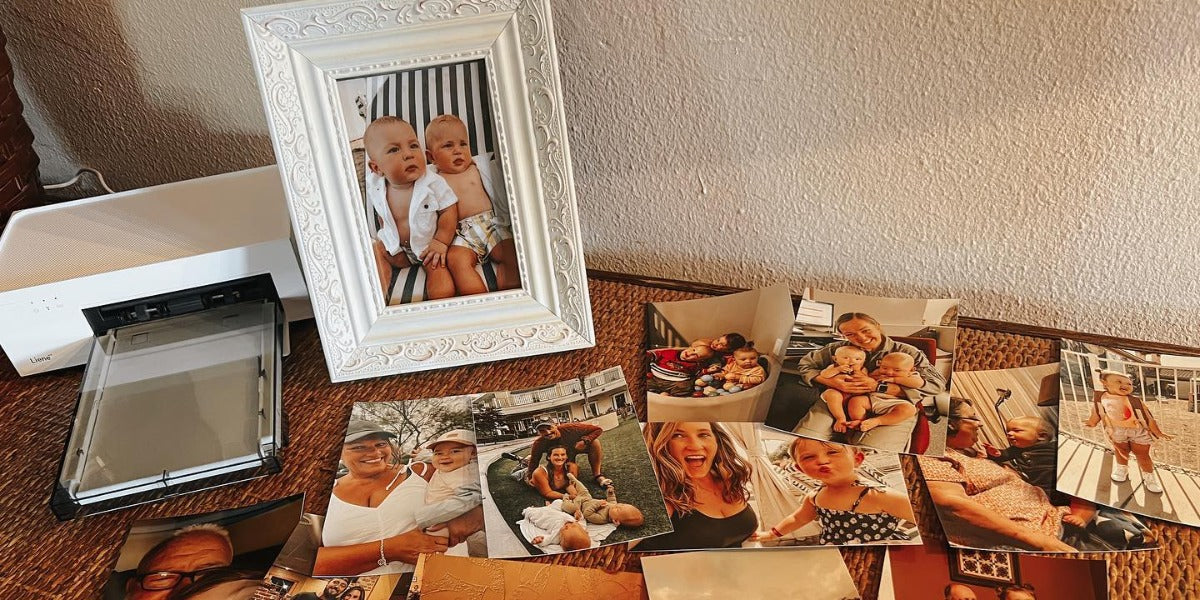
When it comes to instant photo printers designed for home use, the process of choosing an ideal printer encompasses a combination of convenience, print quality, and user-friendly features. With the proliferation of digital memories, there is a growing desire for accessible and high-quality photo prints. This article investigates the realm of instant photo printers, examining aspects such as portability, connectivity, and printing capabilities. By comprehending these crucial considerations, you can effectively navigate the market to discover the perfect instant photo printer 4x6 that seamlessly fits into your home environment. Criteria for the Best Instant Photo Printer When determining the best instant photo printer, several criteria play a crucial role in evaluating its overall performance and user experience. ● Print Quality Print quality stands out as a primary criterion, emphasizing the importance of vibrant, sharp, and detailed prints. The ability of the printer to faithfully reproduce the colors and nuances of digital memories is a key factor in its effectiveness. ● User-Friendly Design A user-friendly design contributes significantly to the overall experience. Intuitive controls, a straightforward interface, and easy navigation enhance the convenience of operation, ensuring that users can enjoy a hassle-free printing process. ● Connectivity Options Connectivity options are pivotal. With wireless technologies such as Bluetooth connectivity, which our another product portable 2x3 instant photo printer supports, provide seamless integration with smartphones and tablets. The availability of various connectivity features enhances flexibility, allowing users to print from a range of devices effortlessly. ● Compatibility Compatibility is another critical criterion, focusing on the printer's ability to work with different devices and operating systems. A versatile printer that supports various platforms ensures a broader user base and increased convenience for individuals with diverse technological preferences. Best Instant Photo Printer for Home Use The Amber Instant Photo Printer from Liene stands out as an excellent choice for home use, seamlessly integrating cutting-edge technology with user-friendly features. This sleek and compact device offers unparalleled convenience, enabling users to effortlessly convert their digital memories into tangible keepsakes within the comfort of their homes. Renowned for its impressive print quality, the Amber Instant Photo Printer captures vibrant and detailed images with precision. Its versatility is showcased through the ability to produce 4x6-inch prints, catering to a diverse range of occasions. The user-friendly interface ensures a smooth printing experience, and wireless connectivity options like Wi-Fi connection enhance the convenience of seamless integration with smartphones. Crafted for modern homes, the instant photo printer for mobile harmonizes with contemporary aesthetics while evoking a touch of nostalgia through its instant printing capability. Its compact design facilitates easy storage, and compatibility with various devices, including smartphones and tablets, adds to its adaptability. Features of Amber Instant Photo Printer The Amber Instant Photo Printer by Liene boasts a range of features that contribute to its exceptional performance and user-friendly experience. Some of them are discussed below. ● Seamless Design for Dust Resistance One standout feature is its seamless design, engineered for dust resistance, ensuring that the internal components remain protected and functional over time. This design not only enhances the printer's longevity but also contributes to maintaining the quality of prints. ● Compact and Portable In terms of portability, the Amber Instant Photo Printer is compact and lightweight, making it an ideal companion for on-the-go printing. Its size and weight make it easy to store and transport, allowing users to capture and print memories wherever they go. ● Wireless Connectivity Wireless connectivity is a pivotal feature, enabling seamless integration with smartphones and tablets. The printer is able to be connected to Wi-Fi networks, providing users with a hassle-free way to print directly from their mobile devices, eliminating the need for cumbersome cables or complex setups. ● High Print Quality The high print quality delivered by the Amber Instant Photo Printer is a testament to its advanced printing technology. It can reach 300 DPI print resolution, 16.7 Million wide color gamut and has 1280 print heating heads for faster printing speed. Users can expect sharp, vibrant, and detailed prints that faithfully reproduce the colours and nuances of their digital memories. ● User-Friendly Interface The user-friendly interface is designed to simplify the printing process. With intuitive controls and easy navigation, users can effortlessly operate the printer, ensuring a smooth and enjoyable experience from start to finish. ● Versatile Compatibility Versatile compatibility is another key feature, as the Amber Instant Photo Printer is designed to work with a variety of devices. Whether using a iOS & Android smartphone, tablet, computer or other compatible devices, users can easily connect and print their favourite memories. Print Quality and Technology behind Amber The Amber Instant Photo Printer, crafted by Liene, integrates state-of-the-art printing technology to guarantee exceptional photo quality. Leveraging high-resolution printing mechanisms, it delivers prints characterized by sharpness, vibrancy, and intricate detailing. This amalgamation of precise colour reproduction and meticulous detailing breathes life into digital memories, presenting them in a tangible and captivating format. Liene's Amber employs advanced thermal printing technology, renowned for its efficiency and speed. This cutting-edge technology ensures a rapid printing process while maintaining the integrity of the prints. Conclusion Finding the best instant photo printer for home use involves considering factors like print quality, connectivity, and user-friendly features. Whether prioritizing portability or advanced editing options, the ideal printer complements your preferences. Explore reputable brands and models to discover the perfect fit for transforming digital memories into tangible keepsakes at home.

In a time when capturing memories is inseparable from the digital landscape, the revival of instant picture printers brings forth a nostalgic essence and tangible endurance to our visual reminiscences. These convenient and compact gadgets have garnered favor for their capacity to instantly convert digital snapshots into tangible prints.Nevertheless, maneuvering through the diverse market offerings of instant picture printers can be daunting without proper guidance. This article presents seven crucial tips to aid potential buyers in making well-informed decisions, guaranteeing that the selected Bluetooth photo printer and Wi-Fi photo printer harmonizes effortlessly with their preferences and needs. Why Buy an Instant Picture Printer? Investing in an instant picture printer offers a myriad of compelling reasons, making it a valuable addition to your repertoire of gadgets. Users can effortlessly print their favorite photos directly from their smartphones or cameras, eliminating the need for intricate setups or cumbersome connections. This streamlined process aligns with the fast-paced nature of modern lifestyles, offering a hassle-free way to bring digital memories to life with just a few taps. Portability is another compelling feature that makes investing in an instant picture printer an attractive proposition. These devices are designed to be lightweight and compact, allowing users to carry them anywhere and print photos on the go. Beyond convenience and portability, an instant picture printer contributes significantly to enhanced memory preservation. While digital photos might get lost in the vast sea of smartphone galleries, printed photos serve as tangible reminders of cherished moments. Personalization is another key factor that makes investing in an instant picture printer a worthwhile decision. These devices allow users to customize their prints, adding a personal touch to each photo. Tips to Consider When Selecting Instant Photo Printers When exploring the market for Instant photo printers, several pivotal factors come into play that can significantly impact your decision. Keep the following tips in mind to guarantee that the instant picture printer you select meets your expectations: ● Print Quality The fundamental objective of a Bluetooth or Wi-Fi photo printer for iPhone is to deliver prints of superior quality. Scrutinize the print resolution and color accuracy to ensure that your cherished memories are faithfully reproduced with sharpness and vividness. Professional instant photo printers often have the function of automatic lamination. The photo paper is waterproof, dustproof, prevents oxidation, and can be stored for a longer period of time. Reading user reviews and examining sample prints can offer valuable insights into the printer's overall performance. ● Printing Technology Various instant picture printers employ distinct printing technologies, including thermal printing, Zink printing or inkjet printing. Familiarize yourself with the characteristics of each technology and choose the one that aligns with your preferences. Thermal printers are renowned for their swiftness, while inkjet printers often provide a broader color gamut. Zink printing technology is a zero-ink technology that is more environmentally friendly. This technology is used by many top brands, such as Liene. ● Print Speed Especially for on-the-go printing, speed becomes a pivotal factor. Evaluate the print speed of the printer, particularly if you prioritize rapid and efficient printing. A faster print speed ensures that you can seamlessly produce multiple prints, making it ideal for events or capturing spontaneous moments. ● Connectivity Options Bluetooth connectivity stands out as a crucial feature in instant picture printers. Verify that the printer is compatible with your smartphone and offers stable Bluetooth connectivity. Some printers also incorporate additional connectivity options, such as USB or built-in Wi-Fi, providing versatility in how you connect your devices. If you’re looking for an instant photo printer with built-in Wi-Fi, the Liene Amber 4x6 Instant Photo Printer can meet your needs. ● Mobile App Compatibility The mobile app associated with the instant picture printer significantly influences the overall user experience. Verify the compatibility of the printer's app with your smartphone's operating system. A user-friendly app enhances the printer's functionality and streamlines the printing process, making it more intuitive. ● Size and Portability An inherent advantage of instant picture printers lies in their portability. Consider the size and weight of the printer to ensure it aligns with your mobility requirements. A compact and lightweight design enhances the convenience of carrying the printer with you wherever you go. ● Battery Life Given that instant picture printers are tailored for on-the-go usage, evaluating the battery life becomes paramount. A more extended battery life ensures that you can print multiple pictures without the need for frequent recharging. This feature becomes particularly crucial during events or travel where access to power sources may be limited. Summing Up Selecting the ideal instant picture printer requires a careful assessment of factors such as print quality, technology, speed, connectivity options, compatibility with mobile apps, size, and battery life. By bearing these considerations in mind, you can make a knowledgeable choice that resonates with your printing preferences, guaranteeing a smooth and delightful experience with your newly acquired device.
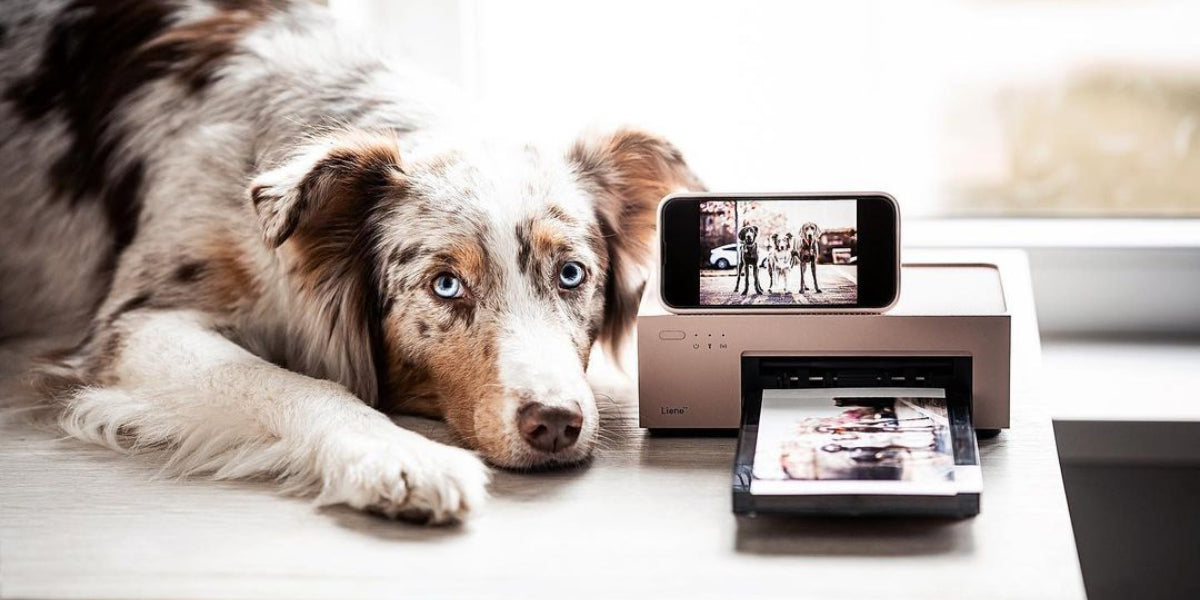
In the digital age, smartphones have become powerful tools not just for communication but also for capturing high-quality photos. The iPhone, in particular, is renowned for its impressive camera capabilities, allowing users to take stunning photos with just a tap. While sharing these photos on social media is common, there's something special about holding a physical print of a cherished memory. This desire for tangible memories has led to the resurgence of photo printing, and with the right photo printer, you can turn your iPhone snapshots into beautiful prints. Choosing the right photo printer for your iPhone can be a daunting task with the myriad of options available in the market. As technology continues to advance, so do the features and capabilities of portable photo printers and instant photo printers. In this comprehensive guide, we will explore the key factors to consider when selecting a photo printer that seamlessly integrates with your iPhone. Whether you are a photography enthusiast, a social media influencer, or just someone who loves capturing and preserving memories, this guide aims to help you make an informed decision that suits your needs and preferences. Understanding Your Needs Before delving into the technical specifications and features of various photo printers, it's essential to identify your specific needs. Consider the following points to find the exact match for your needs. ● Ease of Use The best photo printer for your iPhone should be user-friendly, even if you're not a tech enthusiast. Look for printers with intuitive interfaces, easy setup processes, and clear instructions. Touchscreen displays can enhance the user experience by allowing you to preview and edit your photos directly on the printer. ● Compatibility with iPhone The first and foremost consideration is ensuring that the photo printer is compatible with your iPhone. Most modern photo printers come with wireless connectivity options, such as Bluetooth or Wi-Fi, allowing seamless integration with your iPhone. Some printers even have dedicated mobile apps that enhance the printing experience by providing additional features like editing and creative templates. ● Print Quality The primary purpose of a photo printer is to produce high-quality prints that do justice to the vibrant images captured by your iPhone. Pay close attention to the printer's resolution, measured in dots per inch (DPI). A higher DPI typically results in sharper and more detailed prints. Consider the printer's color accuracy and reproduction capabilities. Some printers come with advanced color management features, ensuring that the prints closely match the colors of the original photos. ● Print Size and Format Photo printers come in various sizes, and the right one for you depends on your preferred print size. If you envision printing standard 4x6-inch photos, most photo printers will suffice. However, if you have a specific print size in mind, make sure the printer supports it. Some printers are designed for larger format prints, making them suitable for framing or creating photo albums. On the other hand, compact printers are great for wallet-sized prints or creating a physical photo collage. ● Portability The portability of a photo printer is a crucial factor, especially if you intend to use it beyond the confines of your home. Portable photo printers are compact, and lightweight, and often come with built-in rechargeable batteries. This makes them ideal for on-the-go printing, whether you're at a party, traveling, or simply want to share prints with friends and family on the spot. ● Connectivity How you connect your iPhone to the photo printer is a crucial consideration for a seamless printing experience. Options generally include Bluetooth, Wi-Fi, or direct USB connections. Bluetooth is convenient for quick, wireless connections, while Wi-Fi allows for more extended ranges and multiple device connections. Direct USB connections offer a traditional wired approach. Evaluate the convenience of each option based on your preferences, ensuring that the chosen connection method aligns with your desired user experience. ● Print Technology Different printers utilize various printing technologies, including Zink, thermal dye sublimation, or inkjet. Each technology comes with its own set of advantages and disadvantages, influencing factors like print quality and cost per print. Understanding these technologies is crucial in aligning your preferences with the capabilities of the chosen printer, ensuring that it meets your expectations for both the aesthetic appeal and economic feasibility of the prints it produces. ● Printing Speed The speed at which a photo printer produces prints can vary significantly. If speed is a priority, especially in event settings where you might have a queue of people waiting to get their photos, opt for a printer with fast printing capabilities. However, bear in mind that faster printing speeds may sometimes come at the expense of print quality. Find a balance that aligns with your preferences, and consider whether the printer offers different quality settings for varying printing speeds. Exploring the Liene Pearl Portable Photo Printers The Liene Pearl series offers compact, portable photo printers designed to connect seamlessly with iOS and Android smartphones. Let's take a closer look at the Liene Pearl K100 2x3" Portable Photo Printers in White, Pink, and Green. ● Liene Pearl K100 2x3" Portable Photo Printer Step into the world of portable printing excellence with the Liene Pearl K100 2x3 Portable Photo Printer, available in captivating White, Pink, and Green variations, each accompanied by a generous supply of Zink Photo Papers (50 in White and Pink, and 5 in Green). Perfect for on-the-go enthusiasts, this compact printer offers a print size of 2x3 inches, ensuring that your memories are captured in a tangible and shareable form. The seamless Bluetooth connectivity adds convenience to the printing process, allowing you to transform your favorite iPhone photos into vivid prints effortlessly. Powered by Zink technology, the Liene Pearl K100 guarantees not only impeccable print quality but also the convenience of a mess-free experience. Say goodbye to the hassle of ink cartridges and welcome a streamlined printing process that fits your dynamic lifestyle. These portable photo printers offer a compact solution for on-the-go photo printing, with Zink technology eliminating the need for ink cartridges. Exploring Liene Amber Instant Photo Printers If you're looking for a larger print size and superior print quality, the Liene Amber series can be a good choice, again depending on your specific requirements. The Amber series utilizes thermal dye sublimation technology to produce high-quality prints. Let's explore more the Liene Amber photo printers. ● Liene Amber 4x6 Instant Photo Printer Introducing the Liene Amber 4x6 Instant Photo Printer, a sleek device designed in a crisp white hue that effortlessly complements any setting. This printer specializes in producing vibrant 4x6-inch prints, perfect for preserving your cherished memories in tangible form. With built-in Wi-Fi connectivity, it seamlessly integrates with your devices, ensuring a hassle-free printing experience. The technology behind this printer is thermal dye sublimation, ensuring that your prints boast exceptional color accuracy and durability. What sets it apart is the additional features, including compatibility with multiple photo papers and the utilization of multiple cartridges, enhancing versatility and allowing you to tailor your prints to perfection. The built-in rechargeable battery in one of the models adds to the convenience of on-the-go printing. Choosing Between Liene Pearl and Amber Series Below are the factors that you can bring to consideration that can further help you select the best printer for your needs. ● Print Size If you prefer smaller, wallet-sized prints, the Liene Pearl series with 2x3" prints might be sufficient. However, if you desire larger prints, the Liene Amber series offers 4x6" prints. ● Print Technology The Liene Pearl series uses Zink technology, while the Amber series utilizes thermal dye sublimation. Zink is known for its simplicity and no-ink convenience, whereas thermal dye sublimation often produces higher-quality prints. ● Connectivity Both series offer wireless connectivity, but the Liene Pearl series uses Bluetooth, while the Liene Amber series features built-in Wi-Fi. Consider your preference for connection methods. ● Additional Features The Liene Pearl series includes the Liene Photo APP for extra customization, while the Liene Amber series provides options with additional sheets, cartridges, and a built-in rechargeable battery. Frequently Asked Questions (FAQ) ● What is the Liene Photo APP, and how does it enhance the printing experience? The Liene Photo APP is a dedicated application that provides additional options for customizing and editing your prints. It can include features like filters, frames, and editing tools to enhance the overall printing experience. ● Is the Zink technology in Liene Pearl printers cost-effective? Zink technology eliminates the need for ink cartridges, making it a relatively cost-effective option for on-the-go printing. However, the cost per print can vary, so it's essential to consider your printing volume and budget. ● How does thermal dye sublimation technology impact print quality? Thermal dye sublimation technology often produces prints with vibrant colors and sharp details, making it a preferred choice for those who prioritize print quality. The technology involves the transfer of dye onto the printing surface, resulting in high-resolution images. ● Can I use Liene photo printers with devices other than iPhones? Yes, both Liene Pearl and Amber series printers are compatible with iOS and Android smartphones. Additionally, the Liene Amber series can connect to laptops and PCs via built-in Wi-Fi, providing versatility in device compatibility. Conclusion Choosing the right photo printer for iPhone involves considering various factors, from print size and technology to connectivity and additional features. The Liene Pearl and Amber series offers portable and high-quality printing solutions, catering to different preferences and needs. Whether you prioritize compact, on-the-go printing or larger, superior-quality prints, Liene photo printers provide versatile options. Before making a purchase, carefully evaluate your specific requirements, compare the features of different models, and consider factors like print size, technology, connectivity, and additional features. With the guidance provided in this ultimate guide, you're well-equipped to make an informed decision and choose the perfect photo printer to complement your iPhone photography journey.

In the era of instant gratification and digital memories, portable photo printers have become indispensable gadgets for individuals who want to turn their digital snapshots into tangible keepsakes. The advent of wireless technology has revolutionized the way we connect and print, offering convenience and flexibility. As we embark on this exploration of wireless printing solutions, it becomes evident that the choices between Wi-Fi and Bluetooth photo printers are not just about connectivity but also about the unique features and user experiences they bring. This article delves into a comprehensive comparison, shedding light on the distinctive attributes of pearl portable photo printers and amber instant photo printers, aiming to guide readers towards informed decisions in choosing the perfect wireless printing solution for their needs. The Rise of Portable Photo Printers: A Niche Fulfilled The evolution of smartphones with powerful cameras has made photography a ubiquitous part of our lives. The seamless integration of advanced imaging capabilities into our daily routines has transformed the way we document and share experiences. While the digital realm allows us to capture countless moments at the tap of a screen, the intrinsic human desire to hold physical copies of these memories has fueled the remarkable popularity of portable photo printers. These compact devices act as bridges between the intangible digital world and the palpable realm of printed photographs, empowering users to transform their virtual memories into tangible keepsakes, creating an immediate and enduring connection to the most cherished moments of their lives. Amber Instant Photo Printers: The Power of Wi-Fi Connectivity ● Introduction to Amber Instant Photo Printers While Bluetooth technology offers convenient short-range connectivity, Wi-Fi-enabled printers, such as the Amber Instant Photo Printers, take wireless printing to the next level. These printers can connect to a broader range of devices, including iOS and Android smartphones, laptops, and PCs, providing users with more flexibility in their printing options. ● Thermal Dye Sublimation for Superior Quality The Amber Instant Photo Printers, distinguished by their use of thermal dye sublimation technology, guarantee top-notch prints with vibrant colors, sharp details, and a robust finish. This method, distinct from Zink technology, necessitates specialized photo paper and cartridges, contributing to its superior print quality and ensuring a lasting visual impact. The meticulous integration of thermal dye sublimation technology in Amber Instant Photo Printers underscores their commitment to delivering a premium and enduring printing experience. ● Built-in Wi-Fi Hotspot: Unleashing Connectivity Potential The Built-in Wi-Fi Hotspot capability of Amber Instant Photo Printers enables them to connect seamlessly to various devices within the Wi-Fi network. This eliminates the need for direct proximity between the printer and the source device, offering greater freedom and flexibility in printing locations. ● Multiple Printing Options Liene Amber models come with different packages, each tailored to specific printing needs. The inclusion of varying quantities of photo papers and cartridges allows users to choose a package that aligns with their intended usage. This flexibility caters to both casual users and those with higher printing demands. ● Built-in Rechargeable Battery: Print Anywhere, Anytime An additional feature that sets the Amber Instant Photo Printers apart is the option for a built-in rechargeable battery. This feature enhances the portability of the printer, allowing users to print photos even in locations without access to power outlets. The convenience of a rechargeable battery makes the printer an excellent companion for travel or outdoor events. Pearl Portable Photo Printers: The Bluetooth Connection ● Overview of Portable Photo Printers Pearl Portable Photo Printers are renowned for their simplicity and ease of use. They leverage Bluetooth technology to establish a wireless connection with both iOS and Android smartphones. This seamless connectivity eliminates the need for cables and allows users to print cherished memories with just a few taps on their mobile devices. ● Zink Technology: A Game-Changer in Printing One standout feature of Pearl Portable Photo Printers is the integration of Zink (Zero Ink) technology. Unlike traditional printers that rely on ink cartridges, Zink technology uses heat to activate and colorize dye crystals embedded in the photo paper. This not only simplifies the printing process but also eliminates the hassle of replacing ink cartridges, making it a cost-effective and environmentally friendly solution. ● 2x3" Adhesive Photo Paper: Sticking Memories Pearl Portable Photo Printers produce 2x3" prints on adhesive-backed photo paper. This unique feature allows users to stick their printed photos onto surfaces, creating instant photo collages or personalized items. The adhesive backing adds a creative dimension to the printing experience, making it more than just a means of producing photos. ● Liene Photo APP: Enhancing Experience To further enhance the user experience, pearl portable photo printers come with the Liene Photo APP. This app provides additional creative options, allowing users to add filters, frames, and text to their photos before printing. The intuitive interface and user-friendly controls make it easy for individuals of all ages to customize their prints. ● Variety of Colors and Quantities The Liene Pearl K100 model is available in white, pink, and green, catering to diverse preferences. Moreover, the printers are offered in different packages, each including a specific quantity of Zink photo papers. This variety allows users to choose a package that suits their printing needs and style. Comparative Analysis: Bluetooth vs. Wi-Fi In the realm of wireless communication, Bluetooth and Wi-Fi emerge as two prominent technologies, each with distinct features and applications. Bluetooth, renowned for its short-range connectivity, excels in linking devices seamlessly for data transfer, making it ideal for peripherals like headphones and speakers. On the other hand, Wi-Fi, designed for broader coverage, facilitates high-speed internet access across a spectrum of devices within a specific range. While Bluetooth prioritizes energy efficiency, Wi-Fi prioritizes data transfer speed. The choice between Bluetooth and Wi-Fi hinges on the specific requirements of the application, emphasizing the need for a comparative analysis to discern the optimal wireless solution for diverse scenarios. Let’s take a deep dive into the intricacies of both technologies understanding the key features and differences of both. ● Connectivity Range One of the primary distinctions between Bluetooth and Wi-Fi is the range of connectivity. Bluetooth typically has a shorter range, making it suitable for short-distance connections, such as between a smartphone and a portable printer. On the other hand, Wi-Fi allows for more extensive coverage, enabling multiple devices to connect to the printer from a greater distance. ● Ease of Connection Bluetooth is known for its simplicity in establishing connections. Devices can pair quickly and seamlessly, making it an ideal choice for small-scale, direct connections. Wi-Fi, while offering more extensive connectivity options, may involve a slightly more complex setup process due to network configurations. ● Printing Speed Both Bluetooth and Wi-Fi can provide sufficient speed for photo printing. However, the actual printing speed may depend on the specific printer model and technology used. Users looking for quick and efficient printing may want to consider the specific printing speed specifications of the chosen printer. ● Print Quality The choice between Zink technology and thermal dye sublimation significantly impacts print quality. Zink technology, as utilized by Pearl Portable Photo Printers, is known for its simplicity and cost-effectiveness but may produce prints with slightly lower color vibrancy compared to thermal dye sublimation. Amber Instant Photo Printers, using thermal dye sublimation, often deliver prints with richer colors and finer details. ● Portability Bluetooth photo printers, like the Pearl Portable models, are inherently portable due to their compact size and reliance on battery power. However, the addition of a built-in rechargeable battery in some Amber Instant Photo Printers enhances their portability, allowing users to print photos in various locations without being tethered to power sources. ● Cost Considerations Zink technology, being inkless, eliminates the ongoing cost of purchasing ink cartridges. This can make Pearl Portable Photo Printers, which utilize Zink technology, a more cost-effective option in the long run. However, the initial cost of the printer and Zink photo paper should be considered. Amber Instant Photo Printers may have a higher upfront cost due to the need for special photo paper and cartridges. Conclusion: Making the Right Choice for Your Printing Needs In the realm of wireless photo printing, the choice between Bluetooth and Wi-Fi connectivity ultimately depends on individual preferences, usage scenarios, and desired features. Pearl Portable Photo Printers, with their Bluetooth connectivity and Zink technology, offer a straightforward and cost-effective solution for on-the-go printing, especially for those who prioritize simplicity and adhesive photo paper. On the other hand, Amber Instant Photo Printers, with their Wi-Fi connectivity and thermal dye sublimation technology, cater to users seeking higher print quality and more extensive connectivity options. The inclusion of a built-in rechargeable battery adds a layer of convenience for users who prioritize portability. Before making a decision, users should consider factors such as the intended usage, desired print quality, budget, and the level of convenience required. Whether it's capturing spontaneous moments with friends or creating a visual diary of travels, the world of wireless photo printers offers options that align with diverse preferences and printing needs. Ultimately, the right choice lies in finding the perfect balance between functionality, convenience, and the joy of transforming digital memories into tangible prints.
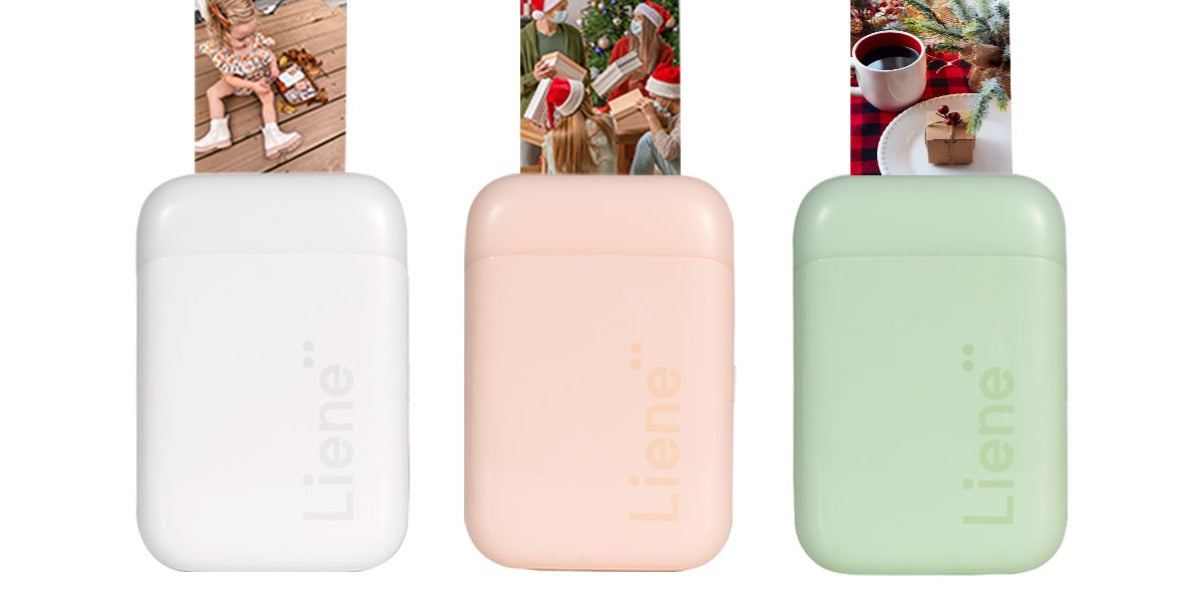
In the age of digital photography, where images are often confined to the screens of our smartphones and computers, the allure of tangible photographs persists. This desire for physical copies of cherished moments has given rise to the popularity of portable photo printers. These compact devices allow users to transform digital images into tangible prints instantly. However, not all portable photo printers are created equal, and one crucial aspect that differentiates them is the printing technology they employ. In this article, we delve into the intricacies of two prevalent printing technologies in the realm of portable photo printers: Inkjet and Zink, and the reasons why Zink is gaining ground. The Basics: How Inkjet and Zink Work? Before diving into the nuanced comparison of Inkjet and Zink technologies in portable photo printers, let's unravel the fundamental workings of these printing marvels. Both technologies embark on distinct journeys to bring digital images to life on paper. Inkjet relies on the precision of liquid ink cartridges, expertly sprayed onto paper through microscopic nozzles, while Zink takes a revolutionary path, utilizing specially coated paper embedded with dye crystals activated by heat. As we delve into the intricacies of these processes, a clearer understanding will emerge, setting the stage for a comprehensive exploration of their respective strengths and applications. ● Inkjet Printing: The Traditional Player Inkjet printing, a well-established technology used in a variety of printing applications, relies on the deposition of liquid ink droplets onto paper or other substrates. In the case of portable photo printers, these droplets are precisely sprayed onto specially coated photo paper. The combination of different colored inks—typically cyan, magenta, yellow, and black—creates a full spectrum of colors, producing vibrant and detailed prints. While inkjet technology has proven its worth in delivering high-quality prints, it does come with certain drawbacks. Traditional inkjet printers often require individual ink cartridges for each color, and the cost of replacement cartridges can add up over time. Additionally, the liquid nature of the ink may lead to issues such as smudging and drying out if not used regularly. ● Zink Technology: A Paradigm Shift in Photo Printing Zink, short for Zero Ink, represents a departure from the traditional liquid ink approach. Zink photo printers use specialized paper that contains embedded dye crystals. These crystals are colorless initially, but when subjected to heat from the printer, they activate and produce vibrant colors. Zink technology eliminates the need for ink cartridges entirely, offering a convenient and mess-free printing experience. The Zink process is not only efficient but also eco-friendly, as it avoids the waste associated with disposable ink cartridges. The simplicity of Zink technology has led to the development of compact and portable photo printers that are easy to use on the go. Choosing Between Inkjet and Zink: Considerations and Use Cases When deciding between an inkjet and a Zink portable photo printer, several factors come into play, depending on your preferences, printing needs, and budget. ● Print Quality Inkjet:If print quality is your top priority, an inkjet portable photo printer is the way to go. The ability to produce high-resolution prints with accurate colors and fine details makes it suitable for photography enthusiasts and those who value professional-grade results. Zink:While Zink prints may not match the quality of inkjet prints, they are more than sufficient for casual use, scrapbooking, and creating small mementos. If convenience and portability are paramount, Zink printers offer a good compromise. ● Portability Inkjet:Inkjet portable photo printers, while more advanced in print quality, are often bulkier and may require additional accessories such as ink cartridges and power adapters. This can impact the overall portability, making them less suitable for on-the-go printing. Zink:Zink portable photo printers are designed with portability in mind. Their compact size, lightweight construction, and the absence of liquid ink make them ideal for instant printing in various settings, from parties to vacations. ● Cost Inkjet:While the upfront cost of an inkjet portable photo printer might be higher, the cost per print is often lower compared to Zink. However, this calculation should consider additional expenses such as ink cartridge replacements. Zink: Zink printers are generally more affordable upfront, but the cost per print can be higher. Additionally, the simplicity of Zink technology may offset the need for purchasing and replacing ink cartridges over time. ● Versatility Inkjet: If you prioritize versatility and want the option to print on different paper types and finishes, an inkjet portable photo printer is the better choice. The ability to customize the printing experience based on the occasion is a significant advantage. Zink: Zink printers may offer limited options in terms of paper types and finishes. While they provide convenience, the lack of versatility in media compatibility may be a drawback for users seeking a more customizable printing experience. If you want a unique and cost-effective go-to portable photo printer, visit pearl portable photo printers offered by Liene. Why Choose Zink for Portable Photo Printing? ● No Cartridges, No Hassle One of the most significant advantages of Zink technology is the absence of ink cartridges. Traditional inkjet printers often require users to manage and replace individual cartridges for each color, which can be cumbersome and expensive. Zink photo printers, on the other hand, eliminate this hassle entirely. Users can simply load Zink paper into the printer, and the embedded dye crystals take care of the rest. This not only simplifies the printing process but also reduces the overall cost of ownership. ● On-The-Go Convenience Portable photo printers are designed for convenience, allowing users to print memories on the spot. Zink technology takes this convenience to the next level. With no need for ink cartridges, Zink printers are more compact and lightweight, making them ideal for on-the-go use. Whether you're at a family gathering, a party, or a scenic outdoor location, Zink portable photo printers are ready to capture and print your memories with minimal effort. ● Zink Paper: Adhesive and Fun Zink paper, the heart of Zink technology, is more than just a printing medium. The paper itself is adhesive, allowing users to turn their photos into stickers. This opens up a world of creative possibilities, from decorating personal items to crafting unique photo collages. The Liene Pearl K100 2x3" Portable Photo Printer mentioned earlier takes full advantage of this feature, allowing users to print and stick their moments wherever they desire. ● Cost-Effective Printing Ink cartridges can be a significant ongoing expense for traditional inkjet printers. Zink technology, by eliminating the need for cartridges, provides a cost-effective alternative. The Liene Pearl K100, with its Zink technology, ensures that users can enjoy high-quality photo prints without the constant worry of running out of ink or the financial burden of replacing cartridges. ● Environmentally Friendly Zink technology is inherently eco-friendly. With no disposable ink cartridges to contribute to electronic waste, Zink printers align with the growing trend toward sustainable and environmentally conscious products. By choosing Zink, users not only enjoy the convenience of portable photo printing but also contribute to a greener future. ● Simplified Printing Process The simplicity of Zink technology cannot be overstated. Users do not need to worry about managing ink levels, replacing cartridges, or dealing with potential ink-related issues. Zink printers offer a hassle-free printing process, allowing users to focus on capturing and sharing moments without technical distractions. ● Creative Freedom with Adhesive Prints The adhesive nature of Zink paper opens up a world of creative possibilities. Users can turn their photos into stickers, adding a personal touch to everyday items. Whether it's decorating a journal, customizing a laptop, or creating a unique photo collage, Zink technology empowers users to express their creativity beyond traditional photo prints. Liene Pearl K100: Merging Quality and Innovation The Liene Pearl K100 2x3" Portable Photo Printer stands as a testament to the advancements in Zink technology. Available in white, pink, and green, this portable printer not only offers a variety of color options but also incorporates user-friendly features that enhance the overall printing experience. ● Variety of Color Options The Liene Pearl K100 is available in three stylish colors: White, Pink, and Green. This variety allows users to choose a printer that aligns with their personal style or preferences, adding a touch of customization to the photo printing process. ● Bundle Deals and Savings The Liene Pearl K100 is not just about style; it's also about value. The bundle deals offered, such as the package with 50 Zink photo papers or the discounted prices on smaller paper quantities, provide users with savings while ensuring they have an ample supply of Zink paper for their printing needs. ● User Reviews and Community With a multitude of user reviews available for each color variant, potential buyers can gain insights into the real-world experiences of others. This sense of community feedback adds a layer of transparency, helping users make informed decisions about their purchases. Conclusion: Choosing the Future of Portable Photo Printing In the Inkjet vs. Zink showdown, Zink technology emerges as the frontrunner for portable photo printing, especially with innovations like the Liene Pearl K100. The advantages of Zink—no cartridges, on-the-go convenience, cost-effective printing, and creative possibilities with adhesive prints—make it a compelling choice for those who value simplicity and versatility in their photo printing experience. As technology continues to advance, Zink's eco-friendly and user-friendly approach positions it as a technology for the future. The Liene Pearl K100, with its stylish design, bundle deals, and commitment to customer satisfaction, exemplifies the seamless integration of Zink technology into our everyday lives. For those seeking a portable photo printer that not only captures memories with clarity but also does so effortlessly and creatively, the Liene Pearl K100 with Zink technology stands out as a beacon of innovation in the ever-expanding landscape of photo printing. Embrace the future of portable photo printing with Zink—where memories come to life at the touch of a button.

Purchasing a photo printer is very practical for people nowadays, after all, do-it-yourself printing is much more convenient than going to a print store. It is important to choose a cost-effective printer. But how to pick a cost-effective photo printer is not easy, you must not want to regret purchasing, after all the machine body itself is not a consumable, and indeed the photo paper is consumable, so you have to select a brand that has both a high-quality body and high-quality photo paper. Liene has built up a reputation in the market, especially for the quality of its photo prints, and has received much recognition from many customers and influencers. To give you a better idea of the competitive advantages of Liene, we make a table of how the amber series instant photo printer of Liene stacks up against the Kodak Dock Plus and the HP Sprocket Studio Photo Printer. Subject Liene Amber Kodak Dock Plus HP Sprocket Studio Price $134.99 $139.99 $129.99 Dock Adapter for iPhone × √ × Power Breaks Size Small Very Big Very Big Photo Papers in the Box Design/Appearance One piece magnetic design prevents dust, compact, sleek, guarantee print quality. Paper exposure, affects photo quality Separated, Open Design. Affects photo quality Printing technology Dye Sublimation Dye Sublimation Dye Sublimation Printer Size 8.07 x 4.91 x 3.36 inches 4 x 7 x 3 inches 10.75 x 6.65 x 2.68 inches Connection Wifi hotspot, High speed Type C Bluetooth, Doc on phone Bluetooth, no USB App √ √ √ Print Options Laptops, PC, IOS/Android smartphones, Tablets, Liene App iOS, Android, Tablets iOS and Android, sprocket app (ios App store, Google Play), Tablets Print Speed 50s 80s 90s Print Quality Photo Size 4X6 4X6 4X6 PRICE Affordability could be the deal breaker for some people. These three products are not much different in price yet still slight differences. Liene Amber The Liene Amber is undoubtedly the most cost-effective one. Compared to the other two models that come with only 10 sheets of photo paper, the Liene Amber comes with 20 sheets. Kodak Dock Plus Kodak Dock Plus is the most expensive in comparison and includes only ten sheets of photo paper. HP Sprocket Studio The HP Sprocket Studio is the cheapest one with 10 sheets of photo paper which is hard to meet the printing needs of multiple photos without buying additional photo paper. DESIGN/APPEARANCE Liene Amber One-piece magnetic design with a sealed-up body and paper dock, the Liene Amber makes it impossible for the dust to go inside and dye into the photos. When you're not using it, just magnetize the paper dock on top of the body, the whole thing looks sleek just like one whole piece. Kodak Dock Plus The body of the Kodak Dock Plus can close up so dust doesn’t get into the machine. And the body clicks onto the paper dock which makes it manageable to place and move around. However, the open design of the paper dock exposed the paper to the air, letting dust go inside easily. HP Sprocket Studio HP Sprocket Studio Photo Printer uses a separate lock-in paper dock design. When the dock is separate from the body, the part where the paper goes in and out is fully exposed permanently, which dust and hair would go inside and pile up on the rollers, and easily go straight into your photos. POWER BREAKS SIZE Liene Amber Liene's has the smallest power break, which is the most convenient to take out on trips or use at home. Kodak Dock Plus The power break of The Kodak Dock Plus is relatively much larger and heavier, not convenient to bring along. HP Sprocket Studio The HP Sprocket Studio power break is basically the same size as the Kodak Dock Plus. CONNECTION Liene Amber Liene Amber uses a Wifi hotspot to connect and print. It also supports a USB connection, so you can connect to your computer for printing. Bluetooth technology is also used in another line of our products, the portable photo printer of the Liene Pearl series. Kodak Dock Plus The Kodak Dock Plus connects via Bluetooth as well as the doc on top so that you can plug your phone into it and be able to print away photos. HP Sprocket Studio The HP Sprocket Studio uses Bluetooth to print photos and that is its only connection method. PRINT QUALITY Above all the categories, print quality is really what matters most. These three photo printers all use dye-sub printing technology, the quality of the printed photos is still a little different. Liene Amber Liene Amber prints tack sharp, true to photo. Despite some unavoidable brightness differences, color-wise Liene Amber's prints look very close to the original photo in the phone. Kodak Dock Plus The photo that the Kodak Dock Plus printed looks colorful but a lot more saturated than the rest of the photos. Yet surprisingly it performs much better printing low-pixel photos. HP Sprocket Studio The HP Sprocket Studio prints photos clear but a lot sharper, making the photo look like it has a little pixelation. Ultimately, we hope this photo printer comparison is helpful for you when deciding on the best brand to buy. As is clear from the data and specs, the Liene Amber matches up well against both the Kodak Dock Plus and HP Sprocket Studio, surpassing it in many categories.
3 / 3